Introducing OS2
A New Era for Collectibles1: Introducing C1X One year ago, we made a bold decision at Collectibles1 — to rebuild […]


A New Era for Collectibles1: Introducing C1X One year ago, we made a bold decision at Collectibles1 — to rebuild […]
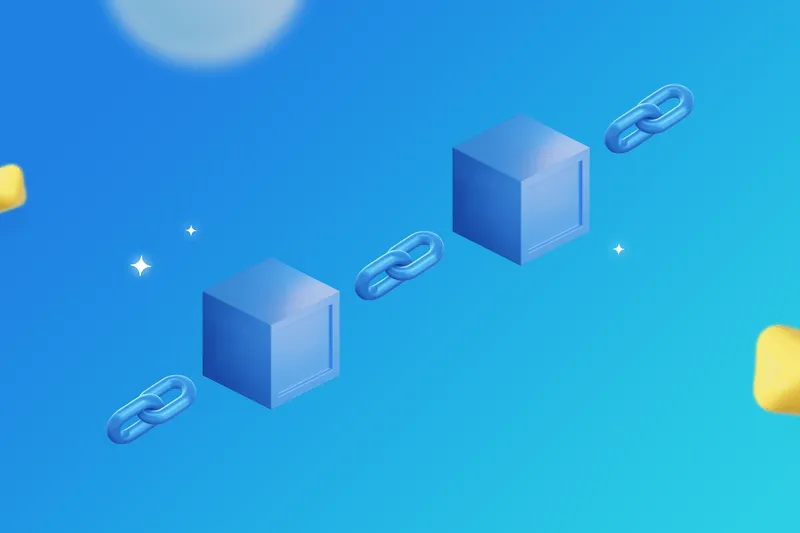
A blockchain is a decentralized record that gets its name from how it stores its data. Once a set of transaction data reaches a certain size, it forms a “block.” This is where every transaction on a blockchain is validated and then permanently stored. The “chain” part of a blockchain is a series of consecutive blocks linked together, forming the immutable ledger.
Web3 technology is still new, and it’s constantly evolving, so while there’s no single action that guarantees protection, there are best practices that can help.
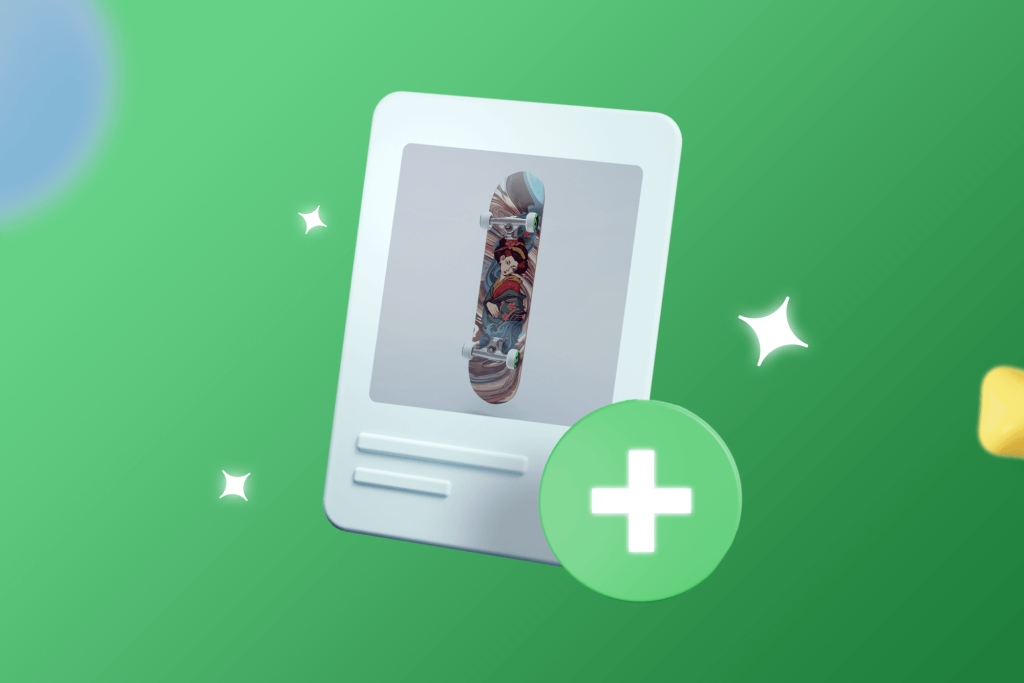
“Minting” an NFT is the process of writing a digital item to the blockchain. This establishes its immutable record of authenticity and ownership.
A crypto wallet helps you buy, sell, and store your cryptocurrency and (in many cases) your NFTs.
NFT drops can vary in both how the NFTs are sold (listed for sale or auction), and in who they’re released.
From art and photography to sports and gaming, creating an NFT using OpenSea is easy.
Creators and collectors have two main ways to sell using OpenSea: via fixed price sale and in an auction.
Using collectibles1, you can buy items listed for sale instantly, bid in auctions, or make offers on any NFTs.
NFTs operate on blockchain technology. The blockchain is basically a large, digital, public record. The most popular blockchains are distributed across many nodes (read: people’s computers), which is why you’ll hear them described as “decentralized.”